Offer
Provide additional details about the offer you're running.
FLASHSALE
Why Crafti?
Learn more about the craftsmanship of our green tea artisans.

Our tea is made by artisan farming communities in Japan, using traditional techniques passed down over generations.
Our process
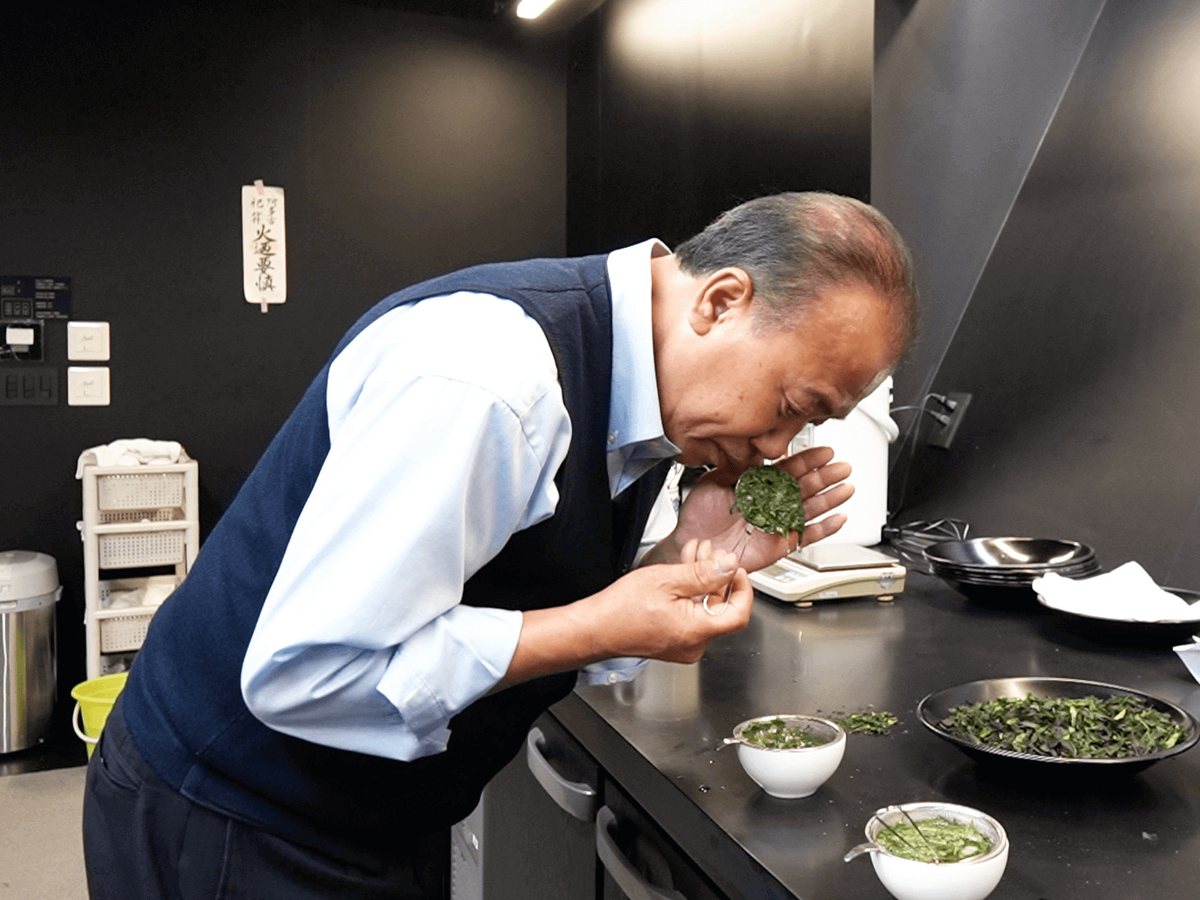
Instead of nameless big corporations, we work with family-owned businesses. This way, we support local artisans and know exactly what goes in your tea.
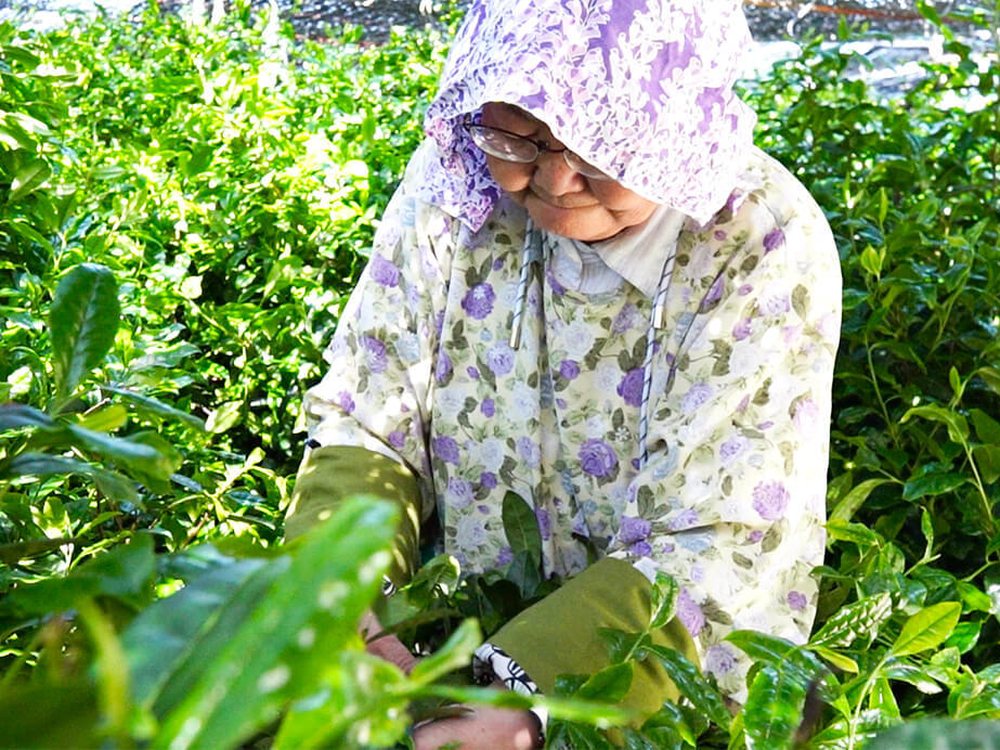
We use modern techniques like organic farming, decaffeination and extraction, to create better products for your modern-day wellness ritual.
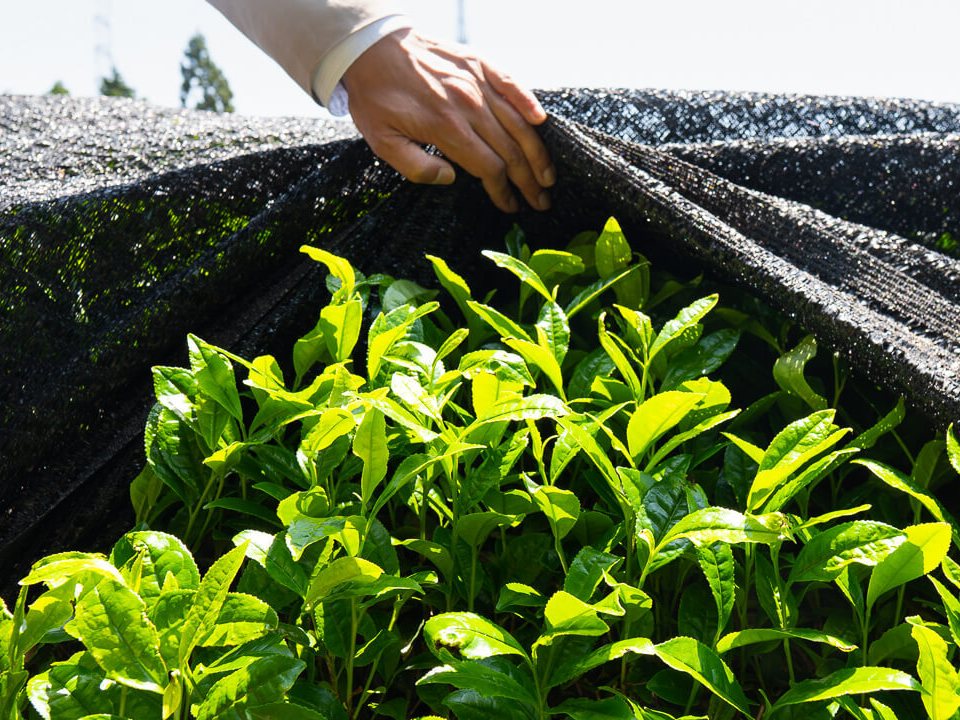
by Japanese Agricultural Standards

The Crafti Collective
To deliver top-quality green tea, we work with the Crafti Collective, our network of tea artisans, farmers and partners across Japan.

Tencha factory owner, Kyoto
Ohtani-san is the 3rd-generation owner of a tencha factory in Kozuya, Kyoto. The factory has been operating since the early 1970s where 20% of tencha are still harvested by hand.

Tea master
Masaru-san is a renowned tea master who has won Japan's National Tea Quality Judging Competition with over 120 tea masters.

Tea farm and factory owner, Nishio
Tadashi-san is a 2nd-generation tea farm and factory owner, who cultivates and processes Matcha in Nishio prefecture.

Tea picker, Uji
Akiyo-san is a tea picker at our partner tea farm in Uji. She and her team of tea pickers would hand-pick tea up to 10 hours a day during tencha harvesting periods.

Frost causes sprouts of tea plants to wither, turn black and die. This can mean the ruin of many years of efforts to cultivate these plants.
Masaru-san, on the toughest part of tea cultivation.

Tea plants are more susceptible to frost damage because of the relatively high water content in their tissues. When exposed to freezing temperatures, the water inside plant cells can freeze, and expand, causing damage to cell walls.
Tadashi-san, on solving the problem of frost damage

My most memorable career moment? Winning the nation-wide tea competition among 120 tea masters.
Masaru-san, on the most satisfying moment in his career.

Lab tested
Regular third-party lab screening is conducted for: